

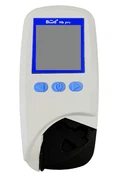


Lipid Test
What is Lipid Test?

The lipid profile test measures cholesterol and triglyceride levels in the blood. Also known as a complete cholesterol test, lipid test, and lipid panel test, it detects the risk of artery blockages, which can lead to conditions like atherosclerosis and heart disease. High cholesterol levels are associated with a greater risk of cardiovascular problems, making this a common test ordered by healthcare providers for monitoring.
Product Advantages
Diagnosis
This test can be a part of the diagnosis of various medical conditions, such as diseases that directly affect the liver.
Monitoring
A lipid panel test is performed to monitor the previously abnormal levels of lipids or cholesterol in the blood.
Screening
Lipid testing also determines if your cholesterol falls into a borderline-, normal, high-risk, or immediate category.
Measuring response to treatment
Some patients are advised to take cholesterol medications or make lifestyle changes and a lipid panel can evaluate their response to the treatment.


Type of product
Components of a Lipid Profile Test
A lipid profile test typically measures the level of four types of lipids in the blood:
Total cholesterol
This is the sum of all the cholesterol in your blood. It's a waxy substance that your body needs to build cells, but too much can lead to plaque formation in the arteries.
01
Low-density lipoprotein (LDL) cholesterol
Often labeled as "bad cholesterol," LDL carries cholesterol to the arteries, where it can build up as plaque and narrow the arteries, increasing the risk of heart disease and stroke.
02
High-density lipoprotein (HDL) cholesterol
Known as the "good cholesterol," HDL carries cholesterol away from the arteries and back to the liver, where it's broken down and removed from the body. High levels of HDL cholesterol can reduce the risk of heart disease and stroke.
03
Triglycerides
These are a type of fat found in the blood. The body converts excess calories, sugar, and alcohol into triglycerides, which are stored in fat cells throughout the body. High levels of triglycerides, along with high LDL or low HDL levels, can increase the risk of heart disease.
04
Product Application
Healthcare providers use lipid panels to help assess your cardiovascular health by analyzing cholesterol in your blood. This helps them diagnose conditions that affect your heart and blood vessels.
Reasons a provider may order a lipid panel include:
1. As a routine test to determine if your cholesterol level is in a healthy range or falls into a high-risk category
2. To monitor your cholesterol level if you had abnormal results on a previous test or if you have other risk factors for heart disease
3. To monitor your body's response to cholesterol medications
4. To help diagnose other medical conditions, such as liver disease
FAQ
Q: Does a lipid profile test require fasting?
A: It is advisable to fast for at least 10-12 hours before getting your lipid profile checked. However, drinking water is allowed.
Q: Can a lipid profile test detect blockages in the arteries?
A: Yes, a lipid profile test can identify the deposition of fatty acids or cholesterol in the blood, which can result in constricted or blocked arteries throughout your body.
We're well-known as one of the leading lipid test manufacturers and suppliers in China. Please feel free to wholesale bulk cheap lipid test from our factory. If you have any enquiry about cooperation, please feel free to email us.